After-Closing Costs: Moving, Locks, Utilities, Repairs, and Setup
By Justin Qiao
Updated: May 8, 2026
Quick answer
After closing, buyers should budget for movers, cleaning, lock changes or rekeying, utility setup, internet, insurance changes, immediate repairs, tools, window coverings, appliances, strata move-in requirements, and basic household setup. These costs are easy to underestimate because they arrive after the excitement of getting keys.
Who this is for
This is for BC buyers who want a realistic first-month ownership budget, especially if most savings are going into the deposit and down payment.
Moving and access costs
Moving costs vary with distance, stairs, elevator booking, parking access, timing, packing, storage, and insurance. Condo buyers may also need elevator deposits or move-in fees. Detached-home buyers may need temporary storage, junk removal, or larger cleaning work. If possession happens late in the day, plan for keys, elevator timing, and mover availability carefully.
Locks, security, and utilities
Rekeying or changing locks is a common first step. Buyers may also update garage remotes, mailbox keys, alarm codes, smart locks, door hardware, and building fobs. Utility setup can include electricity, gas, water, sewer, garbage, district energy, internet, and municipal accounts, depending on the property. Some services need advance notice; some require account deposits or connection fees.
Repairs and setup
Even a good inspection does not remove every first-month cost. Buyers may need minor plumbing, electrical fixes, appliance servicing, paint, blinds, smoke and carbon monoxide alarms, furnace filters, locksmith work, pest treatment, landscaping, or safety improvements. New homes may have deficiency follow-up, but buyers still need practical setup items.
Furniture and decor can wait. Safety, access, insurance, utilities, and urgent repairs should come first. Keep receipts for early ownership costs so warranty, insurance, strata, or future resale questions are easier to answer later.
Document proof to request
Request inspection report, seller disclosure, appliance inclusions list, strata move-in instructions if applicable, utility account information, municipal service details, insurance binder, locksmith quote, mover quote, deficiency list for new homes, and any warranties or manuals the seller can provide.
Practical sequence
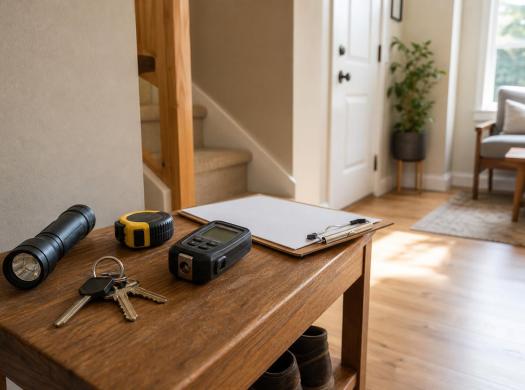
Before completion, book movers, set up insurance, arrange utilities, and confirm possession logistics. On possession day, document condition with photos, test keys and major systems, and secure the property. During the first week, handle locks, alarms, urgent repairs, mail forwarding, utility confirmations, and strata registration if applicable. During the first month, separate must-do repairs from nice-to-have improvements.
Budgeting approach
I separate first-month ownership spending into four priorities: access, safety, service, and comfort. Access includes keys, fobs, garage remotes, elevator bookings, parking, and move logistics. Safety includes locks, alarms, smoke and carbon monoxide devices, urgent repairs, and insurance requirements. Service includes power, gas, water, internet, waste, district energy, and mail. Comfort is furniture, decor, and upgrades that can usually wait.
This order keeps buyers from spending the reserve on visible upgrades while missing the boring items that make the home secure, insurable, and functional.
Decision questions before subject removal
Before removing subjects, ask: What did the inspection identify as urgent? Does the strata have move-in rules or deposits? Are utilities easy to open or tied to municipal/district systems? Will possession timing create mover or elevator conflicts? Which costs must happen immediately, and which can wait thirty to ninety days?
Risks and common mistakes
- Spending the reserve on furniture before urgent repairs are known.
- Forgetting elevator bookings or strata deposits.
- Assuming utilities automatically transfer from the seller.
- Waiting too long to change locks or access codes.
- Treating inspection comments as theoretical instead of budgeting for action.
FAQ
What should a buyer do first after possession?
Confirm access, document the property’s condition with photos or video, test major systems, secure keys/fobs/codes, and check for urgent leaks, safety issues, or insurance-related problems. Furniture and cosmetic upgrades can wait.
Do utilities transfer automatically from the seller to the buyer?
Usually no. Buyers should open or transfer electricity, gas, internet, water, garbage, district energy, and municipal accounts where applicable before possession so service and billing do not become first-week problems.
How should a buyer prioritize repairs after closing?
Start with safety, water, heat, electrical, access, insurance, and active deterioration. Then handle maintenance items from the inspection report. Nice-to-have improvements should wait until the buyer understands actual first-month costs.
Greater Vancouver and BC context
Possession logistics can be very different between a Yaletown condo, a Burnaby high-rise, a Richmond townhouse, a Surrey detached home, and a North Shore property with access constraints. Elevator windows, loading zones, strata deposits, bridge traffic, snow on hillside streets, and municipal utility setup can all affect the first week.
A good local plan starts before completion: book access, confirm service providers, read strata move-in rules, and keep a repair reserve untouched until the home has been lived in for a few weeks.
References
- BC Hydro – Moving and electrical service: https://www.bchydro.com/accounts-billing/moving-electrical-connections.html
- FortisBC – Moving your service: https://www.fortisbc.com/accounts-billing/moving
- BCFSA – Real estate consumer resources: https://www.bcfsa.ca/public-resources/real-estate
- Greater Vancouver REALTORS – Buying costs: https://www.gvrealtors.ca/news-archive/buying-costs.html
Disclaimer
This article is general information for BC home buyers. It is not legal, tax, mortgage, insurance, strata, or financial advice. Costs and programs change, and every property is different. Confirm current requirements with your lawyer or notary, lender, insurer, strata manager, municipality, and other qualified professionals before relying on a budget.
Soft CTA
If you are planning possession in Greater Vancouver, I can help you build a first-week checklist that protects your reserve and avoids avoidable move-in friction.